“grow at altitude” search results (3000)

An introduction to the characteristics of Coffee producing area in Costa Rica
Costa Rican coffee origin: high-quality Costa Rican coffee is called extra hard beans, this kind of coffee can grow at an altitude of more than 1500 meters. Altitude has always been a problem for coffee growers. The higher the altitude, the better the coffee beans, not only because the higher altitude can increase the acidity of the coffee beans and thus increase the flavor, but also because the night temperature at the higher altitude is lower.
2016-06-13 Costa Rica coffee origin characteristics introduction
Description of Coffee Flavor in Chateau Saint-Roman, Costa Rica; introduction to fine coffee in producing areas
Tarrazu in Costa Rica is one of the major coffee producing areas in the world. The coffee produced is light and pure in flavor and pleasant in aroma. Costa Rica, with its fertile volcanic soil and good drainage, is the first country in Central America to grow coffee and bananas for commercial value. Coffee and bananas are the country's main exports. In 1729, coffee was introduced from Cuba to Goth.
2016-10-09 Costa Rica Roman Manor Coffee Flavor description Grinding characteristics producing area
Coffee growing areas in the Andes of Colombia at an altitude of 1,300 meters
Colombia's favourable climate provides a truly natural pasture for coffee. Coffee trees in Colombia are mainly cultivated in the Andes mountains, on steep slopes up to 1,300 meters above sea level, where the annual temperature is about 18 degrees Celsius, the annual rainfall is 2000 to 3000 mm, the latitude is 1 - 11 15, the longitude is 72 - 78, and the specific altitude range can exceed 2.000 meters. by
2016-06-22 Altitude thousand hundred meters up and down Colombia Andes mountain coffee growing area
The treatment of Costa Rican coffee, etc.
What are the requirements for the origin of Costa Rican coffee, and what is the best way to grow Costa Rican coffee? the most famous is mountain Costa Rican coffee, which tastes mellow and neutral, and it can be boiled directly, or mixed with other kinds of coffee beans into comprehensive coffee, it is also a good choice. Other kinds of Brazilian coffee, such as Rio and Parana, can be used in large quantities because they don't need too much care.
2016-05-24 Costa Rica coffee treatment methods cultivation
What is the difference between high altitude coffee beans and low altitude coffee beans?
Arabica, a high-altitude and low-altitude coffee bean, is deeply loved by Chinese people with a short history of coffee contact because of its strong fruity aroma. it was introduced to China by missionaries in the 19th century. It is widely planted in Panzhihua, Sichuan, and the dry-hot valley of the Jinsha River, which is more than 1000 meters above sea level in western Yunnan. the local people use the way of diverting water up the mountain to solve the seasonal rainfall.
2016-10-19 High altitude coffee beans which altitude flavor what different high altitude
Introduction to the characteristics of Costa Rican Coffee
Tarrazu in Costa Rica is one of the major coffee producing areas in the world. The coffee produced is light and pure in flavor and pleasant in aroma. Costa Rica, with its fertile volcanic soil and good drainage, is the first country in Central America to grow coffee and bananas for commercial value. Coffee and bananas are the country's main exports. In 1729, coffee was introduced from Cuba to Goth.
2016-08-03 Costa Rica Coffee Manor producing area Flavor palate introduction characteristics Costa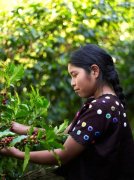
Niya coffee mostly grows at an altitude of 1500~2100 meters African boutique coffee Kenyan flavor
Niya coffee is mostly grown at altitudes of 1500 to 2100 meters and harvested twice a year. To make sure only ripe berries are picked, people have to make about seven rounds through the woods. Kenyan coffee is grown by small farmers who harvest the coffee and send it fresh to a cooperative washing station, where the washed, dried coffee is washed into parchment coffee beans (i.e., coated inside).
2016-06-13 Nia coffee abundant grown in altitude 1500 2100 m Africa fine
Niya coffee mostly grows at an altitude of 1500~2100 meters African boutique coffee Kenyan flavor
Niya coffee is mostly grown at altitudes of 1500 to 2100 meters and harvested twice a year. To make sure only ripe berries are picked, people have to make about seven rounds through the woods. Kenyan coffee is grown by small farmers who harvest the coffee and send it fresh to a cooperative washing station, where the washed, dried coffee is washed into parchment coffee beans (i.e., coated inside).
2016-06-13 Nia coffee abundant grown in altitude 1500 2100 m Africa fine
Introduction to the Goddess Manor of Costa Rican Coffee
Tarrazu in Costa Rica is one of the major coffee producing areas in the world. The coffee produced is light and pure in flavor and pleasant in aroma. Costa Rica, with its fertile volcanic soil and good drainage, is the first country in Central America to grow coffee and bananas for commercial value. Coffee and bananas are the country's main exports. In 1729, coffee was introduced from Cuba to Goth.
2016-07-18 Costa Rica coffee flavor taste characteristics introduction goddess manor Costa
Costa Rican coffee producing place
This coffee producer, with all grades and types of coffee, accounts for 1/3 of the global consumption and accounts for a share of the global coffee market, although the natural disasters faced by Costa Rica are several times higher than those in other regions. but its arable area is enough to make up for it. There are many kinds of coffee here, but its industrial policy is abundant and cheap, so it is excellent.
2016-06-01 Costa Rica coffee place of production this various grades species
Costa Rican coffee producers
Coffee was introduced to Costa Rica from Cuba in 1729, and today its coffee industry is one of the most organized in the world.
2014-09-01 Coffee knowledge Costa Rican coffee Coffee origin
Costa Rican Coffee Flavor Taste Manor characteristics of Fenghuang Manor
Tarrazu in Costa Rica is one of the major coffee producing areas in the world. The coffee produced is light and pure in flavor and pleasant in aroma. Costa Rica, with its fertile volcanic soil and good drainage, is the first country in Central America to grow coffee and bananas for commercial value. Coffee and bananas are the country's main exports. In 1729, coffee was introduced from Cuba to Goth.
2016-07-25 Costa Rica Coffee Flavor Taste Manor producing area characteristics introduction Fire Phoenix
Description of coffee flavor of Incht Manor in Guatemala with rich taste introduction to the taste of varieties in producing areas
In 1982, the leftist guerrillas of the whole country merged to form the National Revolutionary Union of Guatemala, and armed struggle spread all over the country. Farmers dissatisfied with the overthrow of the Arbens regime organized a guerrilla group in which more than 100,000 people were killed and millions displaced. In September 1982, the persecution of the local Mayans by the Guatemalan army was close to genocide, and more than 9000 Mayans were killed. nineteen
2016-09-29 Taste rich Guatemala Hutt manor coffee flavor description taste
Introduction to the characteristics of Costa Rican Saint Roman Coffee flavour Manor
Tarrazu in Costa Rica is one of the major coffee producing areas in the world. The coffee produced is light and pure in flavor and pleasant in aroma. Costa Rica, with its fertile volcanic soil and good drainage, is the first country in Central America to grow coffee and bananas for commercial value. Coffee and bananas are the country's main exports. In 1729, coffee was introduced from Cuba to Goth.
2016-08-10 Taste mellow Costa Rica Roman coffee flavor manor producing area characteristics
Costa Rican Coffee Manor with strong Flavor introduction to Saint Roman Manor
Tarrazu in Costa Rica is one of the major coffee producing areas in the world. The coffee produced is light and pure in flavor and pleasant in aroma. Costa Rica, with its fertile volcanic soil and good drainage, is the first country in Central America to grow coffee and bananas for commercial value. Coffee and bananas are the country's main exports. In 1729, coffee was introduced from Cuba to Goth.
2016-08-10 Flavor rich Costa Rica coffee manor producing area taste characteristics introduction
Introduction of Costa Rican coffee producing areas with extremely hard beans above 1500 meters above sea level
With fertile volcanic soil and good drainage, Dariga is the first country in Central America to grow coffee and bananas because of its commercial value. Coffee and bananas are the country's main exports. Coffee was introduced into Costa Rica from Cuba in 1729. Today, its coffee industry is one of the well-organized industries in the world, with a yield of 1700 kg per hectare. Gostad
2016-06-22 High altitude 1500 m above extremely hard Costa Rica coffee producing areas
Description of Costa Rican coffee flavor with clear flavor introduction to the taste of fine coffee beans in the producing area
Tarrazu in Costa Rica is one of the major coffee producing areas in the world. The coffee produced is light and pure in flavor and pleasant in aroma. Costa Rica, with its fertile volcanic soil and good drainage, is the first country in Central America to grow coffee and bananas for commercial value. Coffee and bananas are the country's main exports. In 1729, coffee was introduced from Cuba to Goth.
2016-09-26 Flavor clear Costa Rica coffee description producing area characteristics boutique coffee beans
Features of Fine Costa Rican Coffee Fine Costa Rican Coffee Beans
Coffee is an important source of income for Costa Rica, introduced in 1808 and cultivated for 200 years. Costa Rica, where a third of the population is involved in coffee, Costa Ricans say coffee has transformed the country, making it an affluent environment, and coffee has contributed significantly, even though Costa Rica ranks last in terms of land mass in Central America.
2016-05-03 fine Costa Rica coffee characteristics coffee beans important
Mellow and sweet Guatemalan coffee varieties flavor description of planting environment manor introduction
The coffee beans in each producing area have their own characteristics, and they have won a lot of praise for Guatemala in the international community, especially the perfect coordination of the sour, sweet and mellow texture of Antigua; with a touch of smoke and a little more emphasis on its mystery, you will have a reason not to look for alternatives everywhere after tasting. Guatemalan coffee beans are mostly cultivated in high-altitude volcanic areas where the soil is the highest.
2016-09-19 Sweet Guatemala coffee variety producing area flavor description planting environment village
Introduction of Coffee Flavor description, Grinding degree characteristics and Variety producing areas in Saint Roman Manor, Costa Rica
Coffee was introduced into Costa Rica from Cuba in 1729. Today, its coffee industry is one of the well-organized industries in the world, with a yield of 1700 kg per hectare. Costa Rica has only 3.5 million people but 400m coffee trees, and coffee exports account for 25 per cent of the country's total exports. The volcanic soil of Costa Rica is very fertile and well drained, especially in the central part.
2016-10-12 Costa Rica Roman Manor Coffee Flavor description Grinding characteristics varieties